Obesity, a growing concern among the American population, has become a prevalent health issue in recent years. There are several factors that contribute to the cause of obesity in American people. Let’s take a closer look.
Unhealthy eating habits: The consumption of fast food, processed snacks, sugary beverages, and oversized portions has become increasingly common in American diets. These high-calorie, low-nutrient foods contribute to weight gain and obesity.
Sedentary lifestyle: With the advancement of technology, many Americans spend long hours sitting at desks, in front of screens, or commuting in cars. Lack of physical activity and exercise plays a significant role in weight gain and obesity.
Food marketing and accessibility: The constant bombardment of advertisements promoting unhealthy foods coupled with the easy accessibility and affordability of such foods contribute to poor dietary choices among Americans.
Socioeconomic factors: It is unfortunate that obesity rates tend to be higher among lower-income individuals and communities. Limited access to healthy, affordable food options and fewer opportunities for physical activity contribute to the disparity.
Genetics and family history: Some individuals may be genetically predisposed to obesity. Family habits, cultural influences, and upbringing can also play a role in the development of unhealthy eating patterns.
Addressing the causes of obesity requires a multipronged approach. Encouraging healthy eating habits, promoting physical activity, implementing policy changes to improve food environments, and raising awareness about the risks of obesity are crucial steps towards combating this ongoing issue. By understanding the root causes, we can work towards a healthier and more vibrant future for all Americans.
Remember, this article is for informational purposes only and should not substitute professional medical advice. Consult with a healthcare provider for personalized guidance on managing and preventing obesity.
The diet after bariatric surgery typically consists of several stages, each with its own guidelines. Remember, it’s important to follow the specific recommendations provided by your healthcare provider. Here’s a general overview:
Stage 1: Clear Liquid Diet – This stage immediately follows surgery and includes clear liquids such as water, broth, sugar-free gelatin, and herbal tea.
Stage 2: Full Liquid Diet – Introduce thicker liquids such as skim milk, protein shakes, and low-fat soups. Avoid carbonated drinks and high-sugar beverages.
Stage 3: Pureed/Soft Diet – Gradually incorporate pureed or mashed foods like cooked vegetables and fruits, cottage cheese, and mashed potatoes. Avoid tough meats, fibrous fruits, and raw vegetables.
Stage 4: Semi-Solid Diet – Add soft, solid foods like lean meats, cooked vegetables, and soft fruits. Take small bites and chew thoroughly.
Stage 5: Regular Diet – Once your body adjusts to solid foods, you can slowly reintroduce a normal, balanced diet focusing on lean proteins, whole grains, fruits, and vegetables. Limit sugary and fatty foods.
Regarding what not to eat after bariatric surgery, it’s recommended to avoid foods that are high in fat, sugar, and calories, as well as carbonated drinks, greasy foods, tough meats, bread, and pasta. Each stage of the diet will have specific guidelines regarding what to avoid.
As for coffee, it’s generally advised to limit or avoid caffeine after bariatric surgery due to its potential to irritate the stomach lining and cause discomfort. However, your healthcare provider will provide you with specific recommendations based on your individual needs.
Supplementation is crucial after bariatric surgery to ensure that you meet your nutritional needs. Commonly recommended supplements include a daily multivitamin, calcium with vitamin D, iron, vitamin B12, and protein supplements. The specific supplement recommendations may vary depending on the type of surgery you had and your individual needs. Make sure to consult with your healthcare provider or a registered dietitian for personalized advice.
Remember, following the post-surgery diet and maintaining a healthy lifestyle are essential for successful and long-term weight loss after bariatric surgery.
Obesity is a medical condition characterized by excessive accumulation of body fat, often resulting in negative effects on health. It is commonly defined by the Body Mass Index (BMI), which is calculated by dividing a person’s weight in kilograms by the square of their height in meters. A BMI of 30 or higher is generally considered indicative of obesity.
Causes and Risk Factors of Obesity
The causes of obesity are multifactorial and can vary from person to person. Some common factors include:
Lifestyle choices: Unhealthy eating habits, excessive calorie intake, sedentary lifestyle, and lack of physical activity can contribute to obesity.
Genetics: Family history of obesity can increase the risk of developing obesity.
Metabolic factors: Certain medical conditions, such as hormonal imbalances or metabolic disorders, can contribute to weight gain and obesity.
Psychological factors: Emotional factors like stress, depression, or trauma can sometimes lead to overeating and weight gain.
Symptoms and Consequences of Obesity
Obesity can lead to various physical and psychological symptoms, including:
Physical symptoms: Increased body weight, difficulty in performing physical activities, fatigue, joint pain, shortness of breath, and sleep disorders.
Psychological symptoms: Low self-esteem, poor body image, depression, and social isolation.
Obesity also increases the risk of developing several serious health conditions, such as:
Cardiovascular diseases: High blood pressure, heart disease, stroke, and heart attacks.
Type 2 diabetes: Obesity is a major risk factor for developing type 2 diabetes.
Respiratory problems: Obesity can lead to reduced lung function and an increased risk of conditions like sleep apnea.
Joint problems: Excess weight puts additional stress on the joints, leading to conditions like osteoarthritis.
Certain types of cancer: Obesity is associated with an increased risk of developing certain cancers, including breast, colon, and kidney cancer.
How is Obesity Diagnosed?
Obesity is typically diagnosed using the Body Mass Index (BMI) calculation, which provides an estimation of body fat based on height and weight. Additionally, doctors may consider other factors such as waist circumference, medical history, and physical examination to assess obesity and associated health risks
Bariatric surgery, also known as weight loss surgery, is a surgical procedure performed to help individuals struggling with obesity achieve significant weight loss. It involves altering the digestive system to limit food intake and restrict the body’s ability to absorb nutrients.
Who is bariatric surgery indicated for?
Bariatric surgery is typically indicated for individuals with severe obesity, usually having a body mass index (BMI) above 40. It may also be considered for those with a BMI above 35 who have related health issues like type 2 diabetes, high blood pressure, or sleep apnea that can significantly improve with weight loss.
What are the Contraindications to bariatric surgery?
Despite its benefits, bariatric surgery may not be suitable for everyone. Contraindications include:
Active substance abuse or untreated psychiatric disorders
Uncontrolled heart or lung disease
Inability to understand and comply with the necessary lifestyle changes
Pregnancy or plans to become pregnant in the near future
Previous unsuccessful weight loss surgery
It is important to consult with a qualified healthcare professional who can assess individual circumstances and determine suitability for the procedure.
Bariatric Surgery – Effects
Bariatric surgery can bring about various effects, including:
Significant and sustained weight loss: Most patients can expect to lose a substantial amount of weight within the first year after surgery.
Improvement in obesity-related health conditions: Conditions such as type 2 diabetes, high blood pressure, and sleep apnea often improve or resolve after surgery.
Enhanced quality of life: Weight loss can improve mobility, self-esteem, and overall well-being.
Changes in eating habits: Modified digestive anatomy necessitates modifications in dietary intake and portion control.
Bariatric Surgery – Safety
Bariatric surgery has become safer over the years thanks to advancements in surgical techniques and perioperative care. However, like any surgical procedure, it still carries certain risks and complications. Short-term risks may include infection, bleeding, blood clots, and adverse reactions to anesthesia, while long-term risks may involve nutritional deficiencies, gallstones, and potential complications related to the modified anatomy.
It is crucial to consult with an experienced healthcare professional to evaluate the potential risks and benefits on an individual basis.
After undergoing Bariatric surgery, it is important to follow certain recommendations to aid in your recovery and ensure long-term success. Here are some post-surgery recommendations:
Follow your surgeon’s instructions: It is vital to strictly adhere to the guidelines provided by your surgeon. They will provide you with a personalized plan that suits your specific needs and goals. This may include dietary restrictions, exercise routines, and medication schedules.
Maintain a balanced diet: Following surgery, your diet will need to be adjusted to accommodate your body’s new capabilities. Consume foods that are high in protein and rich in nutrients, while avoiding sugary and fatty foods. Portion control is also important to prevent overeating.
Stay hydrated: Drink an adequate amount of water throughout the day. Dehydration can cause several complications, so it is essential to avoid it by sipping water frequently.
Regular physical activity: Engage in regular physical activity as recommended by your healthcare team. Start with low-impact exercises such as walking and gradually increase the intensity and duration over time. Physical activity will help improve your overall health, boost your metabolism, and maintain muscle tone.
Attend support groups: Joining a post-bariatric surgery support group can provide you with emotional support and valuable insights from others who have undergone similar experiences. These groups offer a platform to share concerns, seek advice, and celebrate achievements, fostering a sense of community.
Follow up with your healthcare team: Regularly attend follow-up appointments with your surgeon and other healthcare professionals involved in your care. They can monitor your progress, address any concerns, and make necessary adjustments to your treatment plan.
Remember, individual experiences may vary, so it’s important to consult with your surgeon or bariatric team for personalized recommendations based on your specific circumstances.
Bariatric surgery can be beneficial for individuals who have severe obesity and have exhausted other weight loss methods. It is generally considered when a person’s body mass index (BMI) is 40 or higher, or when their BMI is 35 or higher with obesity-related health issues such as diabetes, high blood pressure, or sleep apnea.
Indications for bariatric surgery include:
BMI: Bariatric surgery is indicated when BMI criteria are met, as mentioned above.
Failed attempts at weight loss: When other weight loss methods like diet, exercise, and medications have not resulted in significant, sustained weight loss.
Obesity-related health conditions: Individuals with obesity-related health issues that can be improved by weight loss, such as type 2 diabetes, heart disease, and joint problems.
Mental health evaluation: A thorough evaluation is usually conducted to ensure that a person is mentally prepared for the lifestyle changes and potential challenges associated with the surgery.
The effects of bariatric surgery can be significant. Along with weight loss, the procedure can lead to improved overall health, increased mobility, and a reduced risk of obesity-related complications. Some potential effects include:
Weight loss: Bariatric surgery can result in significant and sustained weight loss, which can have a positive impact on various aspects of health.
Metabolic improvements: It can lead to the improvement or resolution of conditions like type 2 diabetes, high blood pressure, and high cholesterol levels.
Enhanced mental well-being: Many individuals experience improvements in their self-esteem, body image, and overall quality of life after bariatric surgery.
Increased mobility: As weight decreases, physical activity becomes more manageable, leading to improved mobility and fitness levels.
It is essential to note that bariatric surgery is not a quick fix. It requires a lifelong commitment to dietary and lifestyle changes to maximize the benefits and maintain long-term weight loss. As with any surgical procedure, there are potential risks and complications, so it’s crucial to work closely with a healthcare professional to determine suitability and ensure comprehensive post-operative care.
Obesity, a complex condition influenced by various genetic, environmental, and behavioral factors, has been found to have implications beyond its physical effects on the body. It has increasingly drawn the attention of researchers in the field of neurobiology and cognitive science due to its potential impact on the brain.
Studies using brain imaging techniques, such as magnetic resonance imaging (MRI), have provided insights into the structural and functional changes that occur in the brains of individuals with obesity. These changes are believed to contribute to the development and persistence of obesity.
One area of the brain that is particularly involved in the regulation of appetite and reward is the hypothalamus. The hypothalamus plays a crucial role in regulating food intake and energy balance. In individuals with obesity, the hypothalamus may exhibit abnormalities in its function, leading to an impaired ability to regulate appetite and metabolism.
Moreover, the brain’s reward system, which usually responds to pleasurable stimuli like food, may become dysregulated in obesity. Research suggests that obese individuals may show decreased activation in the brain’s reward centers, such as the ventral striatum and the orbitofrontal cortex, in response to food-related cues. This blunted response can contribute to a diminished feeling of satisfaction after eating, potentially leading to overeating in an attempt to compensate for this reduced reward response.
Additionally, obesity-related changes have been observed in other brain regions beyond the hypothalamus and reward system. For example, the hippocampus, a region involved in memory and learning, may experience volume reductions in individuals with obesity. This could have implications for cognitive functions related to memory and information processing.
The prefrontal cortex, which plays a crucial role in decision-making, impulse control, and self-regulation, may also be affected by obesity. Some studies have shown that individuals with obesity may have decreased volume and impaired function in certain areas of the prefrontal cortex, potentially contributing to difficulties in regulating food intake and making healthy choices.
While these brain changes associated with obesity are significant, it is important to emphasize that they are not necessarily permanent. The brain is a highly adaptable organ, and through lifestyle modifications, such as adopting a healthy diet, increasing physical activity, and managing stress, some of these brain alterations may be reversible. Encouragingly, research has shown that weight loss achieved through interventions like diet and exercise can lead to improvements in brain structure and function.
In conclusion, obesity can indeed have an impact on the brain, with structural and functional changes occurring in areas involved in appetite regulation, reward processing, and cognitive control. However, the human brain has a remarkable ability to adapt and change, and by adopting a healthy lifestyle, individuals can positively influence their brain health and mitigate potential negative effects.
Excessive blood fat levels can make a variety of diseases worse. The effects of obesity, high cholesterol, and high triglyceride levels are harmful to the body. Recent studies suggest that higher blood fat concentrations may have even more detrimental effects on health than previously believed.
Fat weighs down muscle cells, which harms both their structure and function. Recent studies have demonstrated that under stress, cells release a signal that can spread to other cells and increase cellular damage.
The signals are made up of molecules called ceramides, whose main job is to reduce stress on cells. But they can kill cells and make the symptoms of chronic metabolic diseases like type II diabetes worse.
Although the research is in its early stages, molecular physiologist Lee Roberts of the University of London in the UK says that his team’s discovery “may serve as the basis for new therapies or therapeutic approaches to prevent the development of cardiovascular and metabolic diseases such as diabetes in people with elevated blood fat in obesity.
Newly identified ceramide migration
The researchers were able to activate ceramide signalling by adding a fatty acid known as palmitate to human skeletal muscle cells designed to mimic those of people with metabolic diseases.
When these cells were put together with cells that hadn’t been exposed to fats, they started to talk to each other by sending ceramides in groups called extracellular vesicles, which all cells do naturally.
Researchers observed the same processes in tests conducted on mice and in muscle cells taken from humans (volunteers).
While the researchers emphasise that more research is needed to understand what the newly discovered ceramide migration means, it is known that these molecules can be harmful to the body.
Even more unknown factors, according to the researchers, could be at work. The messaging system could be one way for people with obesity to develop additional complications, such as diabetes. The most recent discoveries about the new transmission system suggest that blocking ceramides may help prevent the development of potential complications, such as diabetes. The most recent discoveries about the new transmission system suggest that blocking ceramides may help prevent the development of potential complications. More research is required to determine additional treatments.
The obesity epidemic
Obesity rates have tripled since 1975, according to researchers, and the number of adults suffering from obesity – all of whom have higher levels of fat in their blood – now stands at 650 million, according to the World Health Organization’s most recent figures.
“With the growing obesity epidemic, the burden of chronic diseases like type 2 diabetes necessitates the development of new treatments,” says Roberts. “We hope that the findings of our study will pave the way for new research that will aid in the resolution of this growing problem.”
What are triglycerides?
Triglycerides are organic compounds known as lipids. These are simple and complex fats that the body uses as a building block for adipose tissue and as a source of energy. Although they are necessary for the human body, too much of them can be harmful.
High triglyceride values may accompany:
obesity,
type II diabetes,
vascular atherosclerosis,
heart attack
or fatty liver.
If the blood test shows too high a level of triglycerides in the blood, it is necessary to consult a doctor, change your lifestyle, and implement appropriate treatment.
Effective weight loss means getting rid of extra pounds quickly, in a healthy way, and without gaining them back. Follow these 5 fundamental guidelines, and you can lose up to 4 kg in a month and easily shed a few centimeters from your waist and other areas of the body.
Effective weight loss should be based primarily on a caloric deficit that is between 300 and 500 kcal, but not below our daily requirements! Adding physical activity to this and following the other rules will help us lose weight and make it fun. This information will completely change the idea that dieting means making a lot of sacrifices and going through a lot of trouble.
A caloric deficit is the basis for effective weight loss. It should be from 300 to 500 kcal, but not less than our basic daily requirement, which is necessary for the proper functioning of the body. For slimming to be healthy and avoid the yo-yo effect, we should eat them from 1500 to 1700, but never below 1450.
Physical activity
Physical activity is essential for weight loss, as it can burn as much as 600 kcal during 2 hours of walking. We should try to move as much as possible during our daily activities, such as taking the stairs instead of the bus or car. If we add cardio training mixed with strength exercises 3-4 times a week or more, our body will be slimmer after a month.
A healthy diet is important for many reasons, such as slowing down the metabolism and having negative health effects. It is important to provide the right amount of protein, carbohydrates, and fats, as well as minerals and vitamins, and to stick to the 80/20 rule. Ideally, 50% of each meal should be vegetables or fruit, with at least 3 out of every 4-5 meals based on fruit.
Drinking the right amount of fluids
Drinking the right amount of fluids is essential for reducing extra weight and cellulite. It is important to drink at least 2 liters of water every day, and even 3-4 liters on warmer days. One glass of water should be consumed before each meal. Lemonade without sugar, tea, or herbs is also a great option.
Regularity and perseverance
Effective slimming does not take a week or a month, but a healthy rate of weight loss is from 0.5 to a maximum of 1 kg per week, which is about 4 kg per month. To lose one kilogram, we need to burn as much as 7000 kcal, and an hour of training can help us lose from 300 to 600 kcal. The key to success is changing eating habits and finding physical activity that we enjoy, and after a few months our figure will completely change. Even if we lose 2-3 kg per month, after 3-4 months we will get rid of as much as 10 extra kilos.
Effective belly slimming
Unfortunately, losing weight only from the belly is not possible. We’ll always burn more fat throughout the entire body. It will be very challenging for us to lose belly fat if we have a tendency to store it. You will lose 2-4 kg and about 2-3 centimeters from the waist and tummy each month if you follow the above advice for effective slimming.
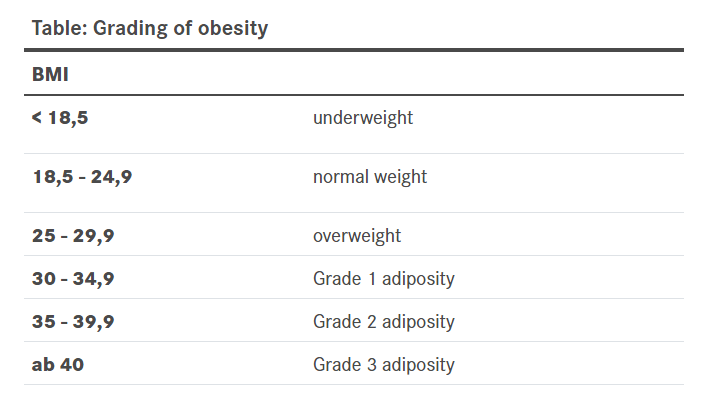
The World Health Organization (WHO) defines overweight and obesity (obesity) according to the so-called body mass index (BMI).
Obesity and its precursor, overweight, are the main causes of important secondary diseases like high blood pressure, coronary artery calcification (coronary heart disease), type 2 diabetes, various types of cancer, and various orthopedic and mental illnesses.
The distribution of body fat determines the personal health risk in addition to the degree of overweight (BMI value). The best measurement for it is the waist circumference. A significant increase in the risk of secondary diseases is present if the circumference is greater than the values of 102 centimeters for men or 88 centimeters for women.
Causes and risk factors
The body receives energy from the food it consumes. Energy is used for movement of any kind as well as for the basic metabolic rate that occurs at rest. Low energy expenditure coupled with high energy intake causes the body to store excess energy as fat.
Obesity and overweight are typically caused by a combination of poor dietary habits and an unfavorable genetic predisposition. Obese people frequently consume diets that are excessively high in fat and calories overall, in addition to getting little to no exercise. Psychological elements like stress or annoyance also have a positive impact. Less frequently, other diseases or the use of certain medications can cause obesity.
For example, the following causes can play a role in the development of obesity:
genetic predisposition
unfavorable and too high-calorie eating habits
lack of exercise
Stress
diseases
certain medications
Genetic predisposition
Experts believe that a person’s BMI is largely genetic, based on twin studies. A person’s basal metabolic rate, or how many calories they consume while at rest and doing nothing, is most likely influenced by genetics. The BMI of these individuals is much more closely correlated with the BMI of their biological parents or siblings than with the BMI of their adoptive parents, according to a study of adopted adolescents and young adults.
Studies suggest that some obese individuals may experience increased hunger due to genetics. Given that the hypothalamus houses both the eating center and the satiety center, certain brain regions, particularly that region, are likely involved in this process.
High-calorie eating habits
A diet with too many calories is not always the result of carelessness, ignorance of health issues, or a lack of knowledge. Fresh fruit and vegetables may occasionally be skipped in favor of high-fat, high-calorie snacks due to convenience or a lack of time. Some of these “small snacks” contain the same number of calories as an entire meal. The frequent consumption of sugary beverages encourages weight gain in kids and teenagers. A constant surplus of food, especially if frequent meals are consumed in between, can also encourage overeating.
Lack of exercise
Regular exercise lowers your risk of developing many diseases, including obesity. However, more and more professional tasks are now completed while seated, elevators are used to ascend stairs, and longer distances are now frequently traveled by car rather than, perhaps, by bicycle. Many places have replaced active leisure activities with hours of couch-bound TV watching. The basis for this deficiency is frequently laid in early childhood: a link between a lack of exercise at a young age and obesity and the subsequent secondary diseases later in life can be established.
Stress
Time pressure, fast food, and stress can all lead to unhealthy eating habits. This can cause problems with self-esteem and self-perception, which can lead to eating disorders.
Diseases
The diseases that can lead to obesity include, for example, eating disorders with excessive binge eating and excessive energy intake ( binge eating disorder ). Rarely, obesity can be the result of endocrine disorders, such as an underactive thyroid . Cushing’s syndrome is also mentioned as a possible cause , in which there is an excessive cortisol level in the blood as a result of medication or overproduction in the adrenal glands.
Certain medications
There are some medications that promote weight gain. However, these drugs usually only lead to obesity if there are other relevant factors involved. If there is a suspicion that a prescribed drug such as cortisone or a drug for depression or certain other mental illnesses is involved in weight gain, it is best to discuss this with the doctor treating you. He or she may be able to point out alternatives or advise on appropriate countermeasures.
Symptoms and consequences of obesity
People who are overweight or obese commonly experience rapid fatigue, lack of stamina, profuse sweating, and shortness of breath as their first-hand physical complaints. Due to the increased stress on the joints, weight gain results in a general restriction of mobility, frequent pain in the hips, knees, and spine, as well as an increased risk of osteoarthritis (joint wear and tear). However, secondary and ancillary diseases brought on or encouraged by obesity are frequently more serious. With rising BMI, the risk of developing it rises.
Common consequences of obesity:
High blood pressure
The most prevalent co-occurring disease with obesity is high blood pressure (also known as arterial hypertension). Increased BMI is directly correlated with an increased risk of high blood pressure, according to studies. In turn, high blood pressure raises the risk of arterial sclerosis, which can affect the vessels associated with heart disease (coronary heart disease).
Coronary heart disease
The risk of the coronary arteries being damaged rises noticeably as BMI rises. It’s also possible to have a heart attack. Of course, there are other risk factors as well, including smoking, high blood pressure, diabetes, and elevated blood lipid levels.
Type 2 diabetes (diabetes)
Here, too, the following applies: the higher the BMI, the higher the risk of developing type 2 diabetes mellitus. This applies to BMI values from 25. In addition to body weight, however, genetic factors also play a major role.
Cancers
Studies have linked gaining weight to an increased risk of developing cancer. After menopause, uterine, pancreatic, gallbladder, and breast cancer in women receive the most attention. Esophageal, renal cell, and colon cancer are all more common in women than in men. The increased risk of cancer is most likely brought on by changes in specific hormones brought on by obesity. Obesity is now recognized as a risk factor for 13 different tumor types and accounts for six to ten percent of all cancer cases.
psychological consequences
Reduced self-esteem, anxiety, and depression can be brought on by obesity. The stress that those affected experience on a psychological level may then trigger new binge eating episodes. The act of eating should then be soothing and relieving, but obese people find themselves in an endless cycle.
orthopedic problems (e.g. arthrosis in knees and hips, back pain )
In the modern era, where it is difficult to catch the running thorns of the clock, it seems impossible to take care of your health and especially weight, but there is a vegetable used in your kitchen that helps in losing weight.
Of course, cabbage is used in every household and today we will tell you how to lose weight from cabbage as well as its usefulness.
Nutritional benefits of cabbage:
Cabbage contains vitamin A, vitamin C, iron, fiber, zinc, phosphorus, magnesium, calcium, and other important nutritional benefits, it also contains antioxidants that help protect against diseases like cancer, while cabbage helps in improving digestive system, controlling blood pressure and lowering cholesterol in the body.
In terms of calories, according to a study, 100 grams of cabbage contains 25 calories, which helps in losing weight.
Use of cabbage:
Cabbage can be used in different ways, to lose weight, you can mix cabbage with other vegetables and eat it in the form of salad, while many people also use cabbage by adding it to soup or rawot.