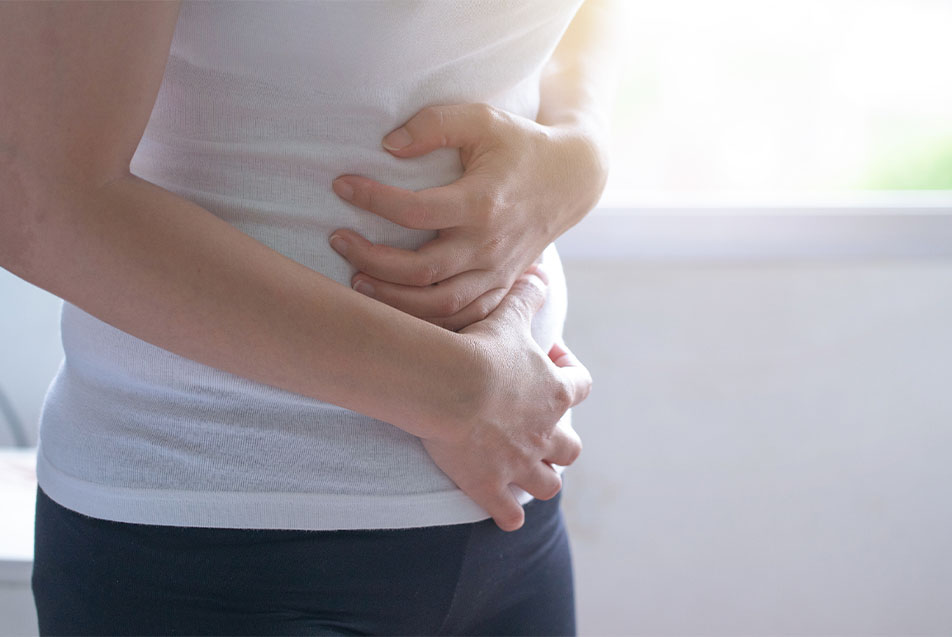
Postpartum constipation is a common issue that many women face after giving birth. Some of the common causes of postpartum constipation include:
Hormonal changes: After childbirth, there is a significant drop in the levels of the hormone progesterone, which can affect the smooth muscles in the intestines, leading to constipation.
Decreased physical activity: The recovery period after childbirth often involves limited physical activity, which can contribute to constipation. Lack of movement and exercise can slow down bowel movements.
Dehydration: During the postpartum period, it is important to stay hydrated. If you don’t drink enough fluids, it can lead to dehydration, making the stools harder and more difficult to pass.
Fear of pain during bowel movements: Many women may be apprehensive about experiencing pain or discomfort while passing stools due to perineal tears or episiotomy wounds. This fear may lead to delaying bowel movements, resulting in constipation.
Iron supplementation: Iron supplements are often prescribed during pregnancy and postpartum to prevent anemia. However, these supplements can cause constipation as a side effect.
To manage postpartum constipation, it is recommended to drink plenty of fluids, include fiber-rich foods in your diet, engage in gentle physical activity, and discuss any concerns or discomfort with your healthcare provider.
Constipation is a common side effect of Norvasc 5 mg, but there are several ways to manage it:
An effective way to alleviate constipation is by increasing fluid intake. Consuming an adequate amount of water and fluids can aid in softening stools, making them less difficult to pass through the digestive tract. It is recommended that individuals consume at least 8 glasses (64 ounces) of water per day to maintain proper hydration levels and promote regular bowel movements. Other beneficial fluids include herbal teas, fruit juices, and vegetable juices. By incorporating these into your daily routine, you can improve your digestive health and prevent discomfort associated with constipation.
Incorporating high-fiber foods into your diet can have a positive impact on your digestive system. Consuming fruits, vegetables, whole grains, and beans can assist in adding bulk to stools, which facilitates regular bowel movements. This is because fiber is not digested in the same way as other nutrients and instead remains undigested as it passes through the digestive tract. As it does so, it absorbs water and adds volume to stools, making them easier to pass through the colon. By regularly incorporating high-fiber foods into your diet, you can promote healthy digestion and reduce the likelihood of constipation or other digestive issues..
Regular exercise is a great way to promote healthy bowel movements and alleviate the uncomfortable symptoms associated with constipation. By engaging in moderate physical activity on a consistent basis, you can stimulate your digestive system and encourage regularity. This can be especially beneficial for individuals who struggle with chronic constipation or other gastrointestinal issues. In addition to its physical benefits, exercise has also been shown to have positive effects on mental health, reducing stress and anxiety levels which can contribute to digestive problems. So why not make exercise a part of your daily routine? Whether it’s going for a walk, hitting the gym, or practicing yoga, finding an activity that you enjoy and can stick with can help improve both your physical and mental well-being.
If you are experiencing constipation while taking Norvasc, it may be worth discussing with your doctor the possibility of adjusting your dosage. It’s not uncommon for medication side effects to occur, but there are steps that can be taken to manage them without compromising the effectiveness of the treatment. By tweaking the amount of Norvasc you’re taking, you might find relief from constipation while still reaping the benefits of this medication. Your doctor will be able to advise you on whether this is a viable option based on your individual circumstances and overall health. Don’t hesitate to bring up any concerns or questions you have during your next appointment – it’s always better to seek guidance than suffer in silence.
If you are experiencing constipation while taking Norvasc, it may be beneficial to consider taking a stool softener or laxative. Your doctor can provide recommendations for safe options that will not interfere with the effectiveness of Norvasc. Constipation is a common side effect of this medication, which can cause discomfort and difficulty passing stools. By incorporating a stool softener or laxative into your treatment plan, you may be able to alleviate these symptoms and improve your overall quality of life. It is important to consult with your healthcare provider before starting any new medications or supplements to ensure they are safe and effective for your individual needs.
One of the most important things you can do for your body is to listen to it. This means paying attention to its signals and responding appropriately. One such signal is the urge to use the bathroom. When you feel this urge, it’s essential that you act on it, even if doing so is inconvenient. Holding in urine or feces for too long can lead to discomfort, pain, and even health problems like urinary tract infections or constipation. So next time your body tells you it’s time to go, don’t ignore it – prioritize your health and well-being by taking a quick trip to the restroom.
It’s important to talk to your doctor before making any changes to your treatment plan, including adjusting your Norvasc dosage or taking additional medications.
Norvasc is a medication used to treat high blood pressure (hypertension) and angina (chest pain). One of the potential side effects of Norvasc is constipation, although this is not a commonly reported side effect. The severity of constipation can vary depending on the individual and their medical history.
If you experience constipation while taking Norvasc, it is recommended to try simple remedies such as drinking plenty of fluids and increasing your fiber intake. However, if the constipation persists or becomes severe, it is important to speak with your doctor. Your doctor can help determine the cause of the constipation and recommend other possible treatments or adjustments to your medication regimen.
It is also possible that your constipation may not be related to Norvasc at all, as there could be other underlying causes. To get a proper diagnosis and effective treatment plan, it is important to discuss any symptoms or concerns with your healthcare provider. They can help you develop a safe and effective treatment plan tailored to your individual needs.
Causes and symptoms Constipation is one of the most frequent disorders among the population. It is difficult in eliminating stools completely or regularly. A person suffering from constipation uses excessive strain during bowel movements due to impaired bowel motility or abnormalities regarding the volume or consistency of fecal material.
In general, we speak of constipation when the number of weekly evacuations is less than three. Constipation is often associated with a number of other symptoms including headaches, nervousness, and gas buildup in the intestine, which in turn causes bloating, and tension.
Constipation can be acute or chronic. In the first case, you suffer from constipation in a sporadic and transient way, perhaps following the intake of certain drugs or reduced physical activity, for example after a surgical operation that forces you to rest.
In chronic constipation, on the other hand, the disorder lasts for more than three months and, in this case, the frequency of symptoms can lead to secondary problems such as inflammation of the hemorrhoids, the onset of diverticula or, in more serious cases, to intestinal occlusion.
The causes of chronic constipation can be different, but they are generally linked to an inadequate diet and an improper lifestyle. In fact, constipation is often caused by a diet poor in fruit, vegetables, legumes, and whole grains that provide fiber or by poor hydration of the body, as well as by a reduced physical activity known to improve intestinal motility.
How to fight constipation In order to resolve constipation, it is necessary to act first of all on the causes. If the symptoms have lasted for more than three months or if they occur frequently, it is advisable to consult a doctor for a diagnosis and therapy adequate to treat the causes, which can be physical or even psychological.
In any case, to improve the functionality of the intestine, it is useful to carry out constant physical exercise, at least three times a week, in order to train the abdominal muscles and stimulate the intestinal ones.
If there are no pathological causes of constipation, nutrition can normalize the regularity of the intestine. The diet must include at least one and a half liters of water a day and foods rich in fiber, vegetables, fruits, cereals, and legumes.
The daily portions of fruit and vegetables should be at least five and it is advisable to regularly consume legumes and prefer whole grains. Natural remedies can be combined with diet and lifestyle changes against constipation. Herbal preparations can help but do not resolve the cause of constipation and should only be taken after consulting your doctor.
Natural remedies Natural remedies to combat constipation are basically divided into four categories based on their mechanism of action: emollient laxatives, bulk laxatives, osmotic laxatives and anthraquinone laxatives.
The emollient laxatives are intended to soften the intestinal contents to facilitate emptying and substantially include vegetable oils such as extra virgin olive oil. By lubricating the intestinal lumen, vegetable oils help the evacuation but, since they are very caloric foods with a mild effect, they are used as a remedy against mild constipation that occurs sporadically.
Bulk laxatives are instead most used, which include natural remedies such as bran, flax seeds and psyllium seeds which, taken with plenty of water, increase the fecal mass, stimulating peristalsis. Other bulk laxatives are agar – a remedy made from various species of red algae – and some gums such as guar gum.
This type of laxatives are considered safe but must always be taken with a lot of water to avoid obtaining the opposite effect and can cause bloating and flatulence, so it is good to associate them with carminative herbal teas based on fennel seeds or green anise.
On the other hand, osmotic laxatives are often used on children for sporadic constipation: they include remedies such as manna, capable of retaining water inside the intestine, effectively increasing the fecal mass and, at the same time, softening the stool.
Finally, anthraquinone laxatives are represented by senna, buckthorn, cascara, rhubarb and aloe. These are plants that contain a class of molecules – anthraquinones – which have an irritating action on the intestine, increasing its motility. These laxatives are probably the most used among natural remedies and are widely recommended to awaken the lazy bowel, alone or in combination with each other and with other herbs.
However, these remedies should not be abused as excessive use can lead to colic, abdominal pain, and diarrhea. Furthermore, however, these are not suitable remedies in case of chronic constipation, since prolonged use can cause addiction, worsen constipation, and can lead to impaired intestinal function.