The symptoms of heartburn are unpleasant burning behind the breastbone. How to Treat Heartburn?

Heartburn is a very unpleasant condition. Many patients must have felt the characteristic burning behind the breastbone when bending down and after a hearty lunch. What causes heartburn and what does this symptom result from? How to deal with heartburn and what are the therapeutic options in this case?
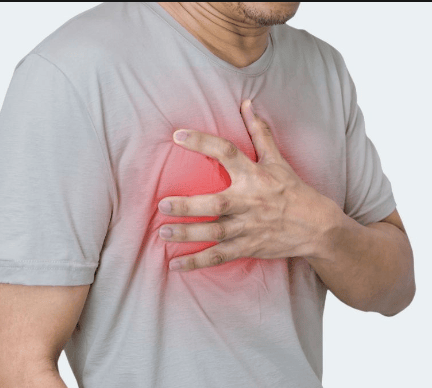
Heartburn is an unpleasant burning sensation behind the sternum in the esophagus. This may be accompanied by a sour taste in the mouth and the burning sensation may extend up to the throat. Heartburn is caused by abnormal reflux of acid in the stomach into the esophagus. The esophagus is not adapted to the acid content and causes irritation and in some cases even deeper damage.

Chest pain and heartburn – differentiation
Heartburn may be accompanied by chest pain which in some cases resembles the angina of a heart attack. It is worth being aware of this, as these causes of chest pain should be differentiated.

In the event of the regurgitation of gastric contents, pain is provoked by a copious meal, bending, and lying down – these activities increase the regurgitation of irritating contents into the stomach. In the case of angina symptoms, the pain worsens under the influence of stress, physical exertion, cold air, but also – a heavy meal, and disappears after the cessation of physical exertion.

However, in the case of a heart attack, the pain lasts longer (more than 20-30 minutes) and does not go away after the end of physical activity. It may be accompanied by other symptoms, such as shortness of breath, weakness, nausea, vomiting, as well as profuse sweating.

If a patient develops chest pain, it is necessary to conduct a thorough medical history and perform an ECG test, which will initially help to differentiate the causes of chest pain.

Heartburn – causes of heartburn

Heartburn is the most important symptom of gastro-oesophageal reflux disease – that is, the regurgitation of acidic gastric contents into the esophagus, which leads to unpleasant symptoms for the patient. What is the result of the appearance of this symptom? The most important causes of heartburn are:

Hiatus sliding hernia – this condition consists in the fact that part of the stomach moves from the correct anatomical position, i.e. from the abdominal cavity to the chest cavity. The hernia causes the gastroesophageal barrier to be weakened, which allows the contents of the stomach to flow back into the esophagus,
Slower gastric emptying – prolonged gastric content in the stomach and its accumulation promotes heartburn, slower gastric emptying may accompany diabetes and some neurological diseases,

Smoking – affects the symptoms in such a way that it reduces the tension of the lower esophageal sphincter (LES in short), which is a specific anti-reflux barrier, too low its tension predisposes to reflux gastric contents into the esophagus,

Alcohol – its abuse also predisposes to reflux, because, like cigarettes – it reduces LES tension,
High-fat diet – fatty foods release the hormone cholecystokinin – a substance that lowers LES tension. Symptoms of reflux are also aggravated by acidic and spicy foods,
obesity, overweight – excess body weight increases the pressure in the stomach and changes the position of the LES, which predisposes to reflux,

Pregnancy – this condition also contributes to acid reflux. This is because the pressure in the abdomen increases during pregnancy, as well as the concentration of estrogen (sex hormones), which reduces the tone of the LES, so heartburn often affects women during pregnancy.
taking medications that lower the LES tension – these include, among others: calcium channel blockers (commonly used in the treatment of hypertension), nitrates, oral contraceptives, or β2-agonists (used in the treatment of asthma).

Heartburn – pharmacological treatment of gastro-esophageal reflux disease
Medicines that reduce the secretion of hydrochloric acid are the mainstay of pharmacological treatment of heartburn . The first-line drugs are proton pump inhibitors, which we refer to as PPIs for short. The following should be mentioned here:

  1. omeprazole _
  2. rabeprazole,
  3. lansoprazole,
  4. esomeprazole,
  5. pantoprazole,
  6. dexlansoprazole.

These drugs are used in the morning, on an empty stomach, at the beginning of the therapy with one capsule / tablet – taken once a day. Sometimes drugs that block histamine receptors are also used – more precisely, H2 blockers, which include ranitidine and famotidine. These drugs reduce gastric secretion, but by a different mechanism than proton pump inhibitors (these drugs inhibit histamine-dependent secretion of gastric acid).

Tips against heartburn

Heartburn usually manifests itself as a burning sensation in the throat and a sour taste in the mouth. The burning chest pain is caused by the backflow of stomach acid (gastroesophageal reflux) into the esophagus. The symptom of heartburn (pyrosis) can be harmless, but it doesn’t have to be. You should see your doctor to find out the cause.

Photo by doTERRA International, LLC on Pexels.com

Heartburn is a common ailment: in Pakistan every second person suffers from it. Some only from time to time, others frequently. Pregnant women and the elderly are often affected. Many “heartburn sufferers” are also familiar with acid regurgitation and a feeling of pressure in the chest area. We reveal what helps against heartburn.

Heartburn: valve into the acid
To understand how heartburn develops, it’s worth looking at how digestion works. Every day our body produces about two to three liters of gastric juice, the task of which is to process the chyme and eliminate harmful microorganisms. This is why the gastric juice is very acidic with a pH of 0.8 to 1.5.

The esophagus is a muscular tube about 25 centimeters long and one centimeter in diameter that is lined with mucous membrane. It connects the pharynx with the stomach. There is a sphincter (esophageal sphincter) at the entrance to the stomach. This is like a valve that relaxes during swallowing and opens to the stomach. The contents of the esophagus can flow into the stomach.

Normally, this path is a one-way street. The aggressive and highly acidic gastric juice poses no danger to the stomach thanks to its resistant mucous membrane. However, the esophagus is very sensitive. If the valve leaks, stomach acid can backflow and damage the esophagus.

Causes of heartburn
Heartburn can have various causes. These include stress and certain dietary habits, such as eating too much fat or eating too late. The following reasons, among others, can cause a disorder of the sphincter muscle and thus cause heartburn:

  • Psychologically stressful situations such as stress stimulate gastric acid production and trigger heartburn.
  • Certain foods affect sphincter pressure.
  • Some medications (including some painkillers ) may be involved. Ask your doctor or pharmacist.
  • A diaphragmatic hernia may have occurred. Part of the stomach moves through the opening in the diaphragm into the chest cavity.
  • In pregnant women, the hormone progesterone causes the sphincter to relax, and the greatly enlarged uterus presses against the stomach and, as a result, its contents into the esophagus.
  • In people who are overweight , it also happens that more stomach contents escape into the esophagus.
  • Heartburn may be a warning sign of an organic disease such as a stomach ulcer or gastritis. This should be clarified by an examination by your doctor.

Burns of the esophageal mucosa
Occasional acid reflux is nothing to worry about at first. However, if the mucous membrane of the esophagus is regularly exposed to corrosive gastric juice, for example several times a week, it can cause irritation and damage to the mucous membranes (reflux esophagitis). Under certain circumstances, the mucous membrane is completely destroyed, internal bleeding or narrowing of the esophagus can occur.

The upper respiratory tract, teeth and gums can also be affected by the refluxing acid.

If left untreated, heartburn can lead to a disease such as esophagitis. In the worst case, an ulcer or cancer can form.

By the way: The English term “heartburn” (heartburn) is misleading, since the heart is not involved in heartburn. However, heartburn causes a burning warmth in the chest, which is where the name comes from.

15 tips and home remedies for heartburn
Below you will find some tips and home remedies that can help against annoying heartburn.

  • Eat several (five to six) small meals a day. Large meals are very bulky and result in an overfull stomach. The risk of stomach acid being pushed into the esophagus is increased.
  • In the evenings in particular, you should avoid large meals and not eat too late.
  • Don’t lie down immediately after eating.
  • It is helpful to sleep with your upper body slightly elevated.
  • Lose weight if you weigh too many pounds.
  • Avoid stress, which is a common heartburn trigger. Relaxation exercises, exercise, meditation and rest can help reduce stress and thus heartburn.
  • Do not wear tight clothing and loosen your belt.
  • A hunched or hunched posture promotes reflux.
  • Avoid alcohol and tobacco.
  • Avoid highly acidic drinks such as grapefruit, lemon and other citrus juices .
  • Proven home remedies are teas with chamomile, fennel or caraway.
  • Chewing gum is said to reduce reflux; Apparently, the increased saliva production when chewing gum protects the lining of the esophagus.
  • Studies have shown that sweets, such as chocolate , can be a trigger for people struggling with heartburn. In these cases, the theobromine contained in chocolate is responsible.
  • The influence of coffee on heartburn is not fully understood. Coffee consumption may increase the symptoms.
  • Many people describe heartburn occurring after eating spicy, hot food. However, the nature of the active ingredients in the herbal spices differs considerably, which is why a uniform assessment is not possible. Research has shown that the active ingredient capsaicin, which is responsible for the heat in chili peppers, increases the sensitivity of the esophagus to gastric juice and thus intensifies the burning sensation.
    Does milk help heartburn?
    Again and again one reads recommendations to drink milk for heartburn. This results from the assumption that the protein in the milk buffers the stomach acid. In the past, patients with this clinical picture were fed exclusively with milk.

Whether that helped is questionable. On the one hand, such a one-sided diet is not recommended to anyone and, on the other hand, scientists have proven that milk even stimulates acid production in the stomach.