To determine the cause of thyroid gland inflammation, the doctor will first conduct a thorough interview with the patient to gather medical history. An important point here is the occurrence of symptoms. They can provide valuable information to the doctor about the type of thyroid inflammation. Information from the past, such as a sore throat, radiation therapy, drug therapy, or injury, can also be useful.
A physical examination and the drawing of a blood sample come next. When inflammation values (such as C-reactive protein and blood sedimentation rate) are elevated, the latter can quickly confirm the suspicion of a thyroid gland inflammation. Acute thyroiditis results in an increase in white blood cell count, but subacute thyroiditis does not.
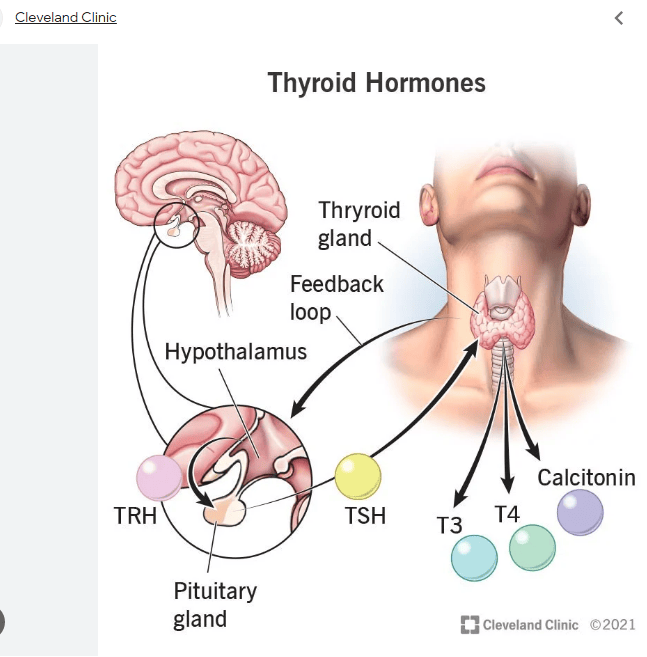
The thyroid hormone levels are also measured. In this way, the doctor can determine whether the thyroid gland is overactive or underactive. You can read more about this in the article Thyroid values .
Ultrasound is a crucial imaging technique when thyroid inflammation is suspected (sonography). On ultrasound, an inflamed thyroid gland will appear dark and have a loose structure (a healthy thyroid gland will appear more uniform). A smaller-than-normal thyroid gland is a symptom of Hashimoto’s thyroiditis.
The physician performs a fine-needle biopsy on the thyroid gland to obtain tissue samples for a more thorough examination. Under a microscope, the typical Langhans’ giant cells can be seen in the case of subacute Quervain thyroiditis.
If necessary, further examinations are carried out, for example, an antibody determination in suspected autoimmune thyroid inflammation (such as Hashimoto’s thyroiditis) or a scintigram.
Thyroiditis: treatment
Antibiotics are used to treat acute purulent (bacterial) inflammation of the thyroid gland. A cooling pad, such as an ice tie, can ease the discomfort. Drugs like acetylsalicylic acid and diclofenac also have an anti-inflammatory and pain-relieving effect. Pus must be removed from an abscess that has developed in the thyroid gland as a result of the inflammation through a puncture or surgical procedure.
Acute non-purulent thyroid gland inflammation that occurs after radiation therapy typically goes away on its own. Anti-inflammatory medications are given to patients when they are in pain. De Quervain thyroiditis that is subacute almost always resolves on its own. In severe cases, cortisone medications like prednisolone and anti-inflammatory medications like acetylsalicylic acid may be administered.
Usually mild and not requiring treatment, postpartum thyroiditis. Thyroid hormones are used if the inflammation resulted in hypothyroidism. Beta blockers may be administered for transient hyperfunction.
The treatment for drug-induced thyroid inflammation depends on the underlying dysfunction: When the thyroid is underactive, thyroid hormones are administered. A low-iodine diet, surgical thyroid gland removal, or radioiodine therapy are all options for treating hyperfunction, depending on its severity. If amiodarone is to blame for the thyroid inflammation, the medication should be stopped as soon as possible.
Inflammation of the thyroid gland: course of the disease and prognosis
With the right care, acute thyroid inflammation completely resolves. However, hypothyroidism may manifest either temporarily or permanently if the inflammation has severely damaged the thyroid tissue. In about 80% of cases, subacute de Quervain thyroiditis resolves spontaneously within three to six months. Rarely does hypothyroidism develop, necessitating the administration of thyroid hormones.
Silent thyroiditis typically resolves on its own. Additionally, post-partum thyroiditis typically resolves naturally. However, in some patients, the hypothyroidism is persistent and needs to be treated with thyroid hormones. The drug may be discontinued on a trial basis after approximately six months.
Within a year of giving birth, thyroid function returns to normal for the majority of women. However, chronic thyroid inflammation, specifically Hashimoto’s thyroiditis, develops in about 10% of cases of post-partum thyroiditis. Following post-partum thyroiditis, the risk of goiter (goiter) in the thyroid also rises. Therefore, those who are affected should routinely have their thyroid levels checked by a physician. Additionally, there is a high likelihood that postpartum thyroiditis will return following a subsequent pregnancy.